How to Tell If Your Dental Crown Needs Replacement
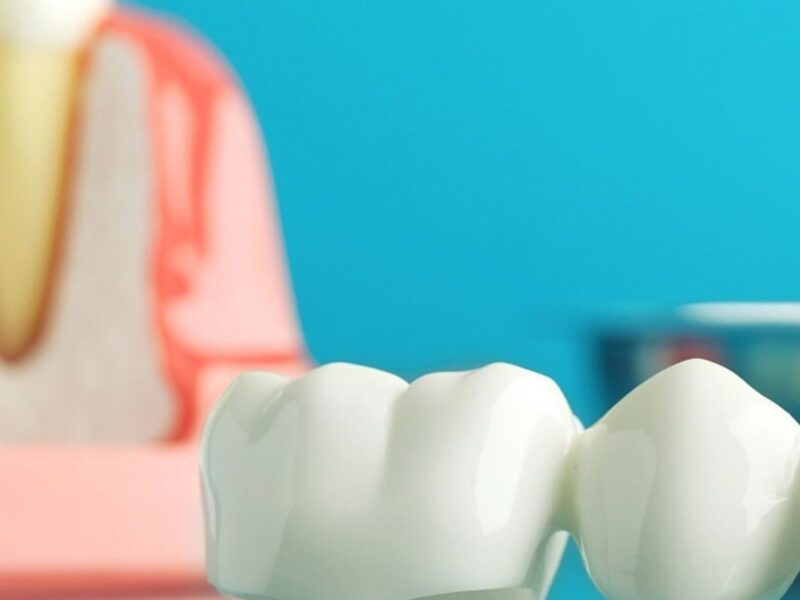
A dental crown is meant to be durable, not permanent in the absolute sense. Patients are often surprised by that distinction. They hear that a crown protects a weak or broken tooth, they invest time and money into treatment, and they reasonably expect it to last forever. Sometimes it does last a very long time. More often, it serves well for many years and then begins to show wear, loosen, leak, or stop fitting the way it once did.
That shift is not always dramatic. A crown rarely announces its failure with a single obvious event. More often, the signs are subtle at first: a new sensitivity to cold, food catching at the edge, a roughness the tongue keeps returning to, a gumline that looks a little different than it did six months ago. When patients ignore those changes, a manageable repair can turn into decay under the crown, a cracked tooth, gum inflammation, or the loss of the tooth itself.
Knowing what to watch for helps you act early. It also helps you avoid unnecessary worry. Not every dark line means trouble, and not every moment of sensitivity means the crown must come off. The challenge is telling the difference between normal aging and true failure.
What a crown is actually doing
A crown is a full-coverage restoration that fits over a prepared tooth, or over an implant in some cases. On a natural tooth, its job is to restore shape, strength, and function after damage from decay, fracture, a large filling, wear, or root canal treatment. The crown must seal the remaining tooth structure, distribute biting forces, and maintain a healthy relationship with the surrounding gum tissue.
That sounds straightforward on paper. In practice, a crown works only as well as the tooth underneath it, the cement that holds it in place, the precision of the fit, and the daily habits of the person wearing it. Someone who clenches at night, chews ice, or has dry mouth from medication places a very different kind of stress on a crown than someone with a stable bite and low cavity risk.
Even the material matters. Porcelain fused to metal crowns, full ceramic crowns, zirconia crowns, and gold crowns each age differently. Ceramic can chip. Metal can show a dark edge over time. Zirconia is strong but not indestructible. Gold wears in a very forgiving way, but it is less commonly chosen for visible teeth. No material is exempt from the need for periodic evaluation.
How long dental crowns usually last
Most dentists quote a range, often around 5 to 15 years, sometimes longer. That range is broad because real life is broad. I have seen crowns that looked excellent after nearly two decades and crowns that needed replacement after only a few years because decay formed under the margins, the bite was too heavy, or the original tooth cracked.
Longevity depends on several variables at once. Oral hygiene is a major one. So is the quality of the original preparation and crown fit. Bite forces, teeth grinding, diet, saliva flow, and the health of the underlying tooth all matter. A crown on a front tooth that mainly handles light incisal contact lives a different life than a crown on a back molar that takes years of crushing force.
Age alone is not a diagnosis. A ten-year-old crown might be perfectly serviceable. A three-year-old crown might already be compromised. What matters is whether it still seals, protects, and functions without causing inflammation or discomfort.
The clearest signs a crown may need replacement
Some warning signs are hard to miss. Others are easy to Dental Crowns rationalize away. Patients often wait because the crown is still attached and the tooth is not severely painful. Unfortunately, crowns can fail quietly.
Here are some of the most meaningful signs to take seriously:
- Pain when biting or releasing pressure.
- Sensitivity to cold, sweets, or air that is new or increasing.
- A crown that feels loose, rocks slightly, or has already come off once.
- Visible damage such as a crack, chip, worn hole, or rough fractured edge.
- Recurrent decay, gum irritation, or food trapping around the crown margin.
Any one of these does not automatically mean replacement is the only answer, but each deserves a professional evaluation. The more of them you notice together, the less likely it is that the crown is still doing its job well.
Pain is a signal, but the pattern matters
Patients often describe crown problems simply as tooth pain, yet the type of pain can offer clues. Sharp pain on biting sometimes suggests a crack in the tooth under the crown, an unstable crown, or a bite that has shifted so the tooth is taking too much force. Pain when releasing pressure can be especially suspicious for a crack. A dull ache may point toward inflammation of the nerve, gum irritation, or persistent overload from grinding.
Temperature sensitivity matters too. A crown should not usually become increasingly sensitive to cold years after placement without a reason. If the tooth still has a living nerve, sensitivity can develop when the margin opens and allows microleakage, when decay forms under the edge, or when the root becomes exposed near the gumline. If the tooth had a root canal, cold sensitivity may actually be coming from a neighboring tooth, which is one reason self-diagnosis can be misleading.
A short-lived zing after a recent crown placement can be normal. A crown that has been in place for years and suddenly becomes sensitive deserves attention.
A loose crown is never something to watch casually
A crown should feel like part of the tooth. If it shifts even slightly, that is not normal settling. It usually means the cement seal has failed, the tooth structure beneath has changed, or the crown never fit as tightly as it should have.
Sometimes a loose crown comes off completely while eating sticky candy, chewing gum, or flossing. Patients often assume they can pop it back on with over-the-counter adhesive and deal with it later. That tends to create more trouble. Temporary dental cement can be useful for a brief emergency measure if you cannot be seen right away, but it is not a real fix. Household glue is far worse and should never be used.
The reason a loose crown matters is simple. Once the seal is compromised, bacteria and moisture can enter. The underlying tooth can decay quickly, especially if much of the original tooth was already missing. A crown that could have been recemented early may become a crown that must be replaced, sometimes along with additional treatment such as buildup, root canal therapy, or extraction.
The gumline often tells the story first
Crowns fail at the margins before they fail in ways a patient can always see. The margin is where the crown meets the tooth. If that edge opens, traps plaque, or sits in a way that irritates the gum, the tissue often reacts before the patient feels pain.
Redness around a single crowned tooth, bleeding when brushing, persistent tenderness, or a puffy gumline are all worth investigating. So is a crown that seems to collect food repeatedly in one spot. I have heard many patients say, “It doesn’t hurt, but floss always shreds there,” or “Meat gets stuck around that tooth every time I eat.” Those are not dramatic complaints, but they are useful clues. They can point to an overhanging margin, an open contact, cement washout, or recurrent decay changing the shape of the tooth under the crown.
A dark line near the gumline can mean different things. On older porcelain fused to metal crowns, some gray show-through may simply be the metal collar or gum recession exposing more of the edge. That is often more of a cosmetic concern than a structural one. But a dark line can also represent leakage or decay at the margin. The only reliable way to tell is with an exam, and often an X-ray.
Chipping, cracking, and wear are not all equal
Crowns are strong, but they are still restorations in a demanding environment. A small chip in porcelain may be only cosmetic if it is smooth, away from the bite, and does not compromise the seal. A larger chip that exposes the underlying material, changes the bite, creates a sharp edge, or weakens the crown usually requires replacement.
Cracks are more serious. A visible line in the crown may be a superficial craze or a deeper fracture. Sometimes the crack is not in the crown at all, but in the tooth underneath. Distinguishing the two can be difficult without magnification, radiographs, and a clinical exam.
Wear is another issue that sneaks up over time. Patients who grind their teeth can flatten or roughen crowns just as they wear natural enamel. If the crown’s chewing surface wears through, the structure beneath may become exposed. If the crown wears unevenly, it can alter how the teeth meet, creating muscle fatigue, soreness, or fractures elsewhere in the mouth. This is one reason a night guard is so valuable for patients with bruxism. It protects both natural teeth and Dental Crowns from concentrated force.
When the problem is under the crown, not in the crown
One of the more frustrating truths in dentistry is that a crown can look acceptable from the outside while the tooth underneath is in trouble. Recurrent decay is a common reason crowns need replacement. It tends to begin at the margin, where plaque accumulates and the seal is hardest to maintain over the years.
This happens more often in patients with dry mouth, frequent snacking, heavy soda intake, or a history of high cavity activity. It also shows up when flossing has been difficult around that area, or when the crown margin was never ideal to begin with. Decay under a crown does not always hurt right away. Sometimes it appears first on an X-ray as shadowing near the edge of the crown. Sometimes it reveals itself only when the crown is removed and the tooth is evaluated directly.
Another hidden issue is fracture of the underlying tooth. Teeth that receive crowns are often already structurally compromised. A large crack can develop below the crown and may not be visible to the patient at all. Symptoms might include biting pain, intermittent sensitivity, or a vague sense that the tooth “doesn’t feel right.” Those descriptions may sound imprecise, but they are common and often meaningful.
Changes in your bite deserve attention
When a crown no longer feels like it fits with the rest of your teeth, that is not something to dismiss. Some patients notice that the crowned tooth hits first when they close. Others avoid chewing on that side without fully realizing why. A crown that has shifted, worn down unevenly, or been affected by changes in the surrounding teeth can alter bite mechanics enough to create headaches, jaw soreness, or localized tooth pain.
A high bite after a new crown is a familiar problem and usually easy to adjust if addressed promptly. A crown that has been comfortable for years and then begins feeling “tall” may point to inflammation around the ligament, a crack, or a subtle loosening. The body is often quite good at sensing tiny discrepancies. If one crown keeps drawing your attention during chewing, there is usually a reason.
Cosmetic changes can be more than cosmetic
Not every replacement is driven by disease or breakage. Sometimes the issue is appearance, especially for crowns on front teeth. Gum recession can expose a margin that was once hidden. The crown may begin to look too opaque, too bulky, or mismatched next to neighboring teeth that have darkened or shifted color over time.
Cosmetic dissatisfaction alone is a legitimate reason to discuss replacement, especially when a crown affects your smile and confidence. But cosmetic changes should still be evaluated carefully, because they can overlap with functional problems. A crown that suddenly looks longer may simply reflect gum recession. That recession can increase root sensitivity, expose margins, and make plaque control more difficult. What starts as an aesthetic concern often has a biological component.
Cases where a crown might not need full replacement
It is easy to assume any problem with a crown means starting over. That is not always true. In some cases, a crown can be recemented if it comes off cleanly, fits well, and the underlying tooth is sound. Minor bite adjustments can resolve discomfort if the issue is purely occlusal. A small porcelain chip on a nonfunctional area can sometimes be polished or repaired with composite, though repairs on crowns are usually less durable than replacement.
This is where clinical judgment matters. A conservative approach is appropriate when the seal is intact, the tooth is healthy, and the problem is limited. A more definitive approach is wiser when there is leakage, decay, recurrent loosening, margin breakdown, or structural damage. Patients understandably prefer the least invasive option, but saving a compromised crown at all costs can become more expensive if it delays proper treatment and allows the tooth to deteriorate further.
What your dentist will look for
A good crown evaluation is part detective work, part engineering. The dentist is assessing not just the crown itself, but the relationship among the crown, the tooth, the bite, and the gums. That typically includes a visual exam, probing around the gumline, checking for movement, evaluating how the teeth meet, and taking radiographs when indicated.
During that visit, your dentist may look for the following:
- Open or defective margins where bacteria can enter.
- Decay under or around the crown.
- Cracks in the crown or the underlying tooth.
- Bone loss or gum inflammation around the tooth.
- Signs of excessive bite force, clenching, or grinding.
Sometimes the findings are straightforward. Other times the only way to know the full condition of the tooth is to remove the crown. That can feel like a big step, but it is often the only honest way to assess whether the tooth can be preserved predictably.
What happens if you wait too long
Delaying evaluation is one of the most expensive habits in dentistry. A crown that is merely loose today may allow extensive decay by the time it becomes painful. A small crack can deepen until the tooth splits. Gum inflammation around a poorly fitting crown can progress to bone loss. What could have been a replacement crown on a salvageable tooth may eventually become a root canal, crown lengthening, extraction, implant, or bridge.
This is especially important for teeth that have already had root canal treatment. Because those teeth no longer have normal nerve sensation, they may not warn you early when something is wrong. Patients sometimes assume a root canal tooth is “dead” and therefore low risk. In fact, those teeth can fracture or decay under a crown without much discomfort until the damage is advanced.
How to protect crowns and help them last longer
Most crowns do not fail because the material simply reaches an expiration date. They fail because the environment around them changes or because they are exposed to stresses they were never going to tolerate indefinitely. Daily habits make a real difference.
Brush along the gumline carefully, not just the visible part of the crown. Floss or use another effective interdental cleaner consistently, especially where the crown meets the neighboring teeth. If you grind or clench, wear the night guard you were given, even if it feels inconvenient at first. Avoid using crowned teeth as tools to tear packets, crack shells, or chew ice. Keep up with recall visits and X-rays at the intervals your dentist recommends. Many failing crowns are caught during routine exams before they cause symptoms.
Diet matters too. Frequent sugary snacks and acidic beverages increase the risk of recurrent decay at crown margins. Dry mouth from medications or medical treatment can do the same. If your mouth feels chronically dry, mention it. Saliva is one of the body’s main defenses against cavities, and reduced flow changes the risk picture for every restoration in the mouth.
A practical way to think about timing
Patients often ask whether they should replace an aging crown proactively or wait until it causes trouble. There is no universal answer. Replacing every old crown on age alone would be overtreatment. Waiting until a crown becomes painful can be undertreatment.
A more practical approach is to look at the evidence in front of you. If a crown is old but stable, with healthy gums, no decay, a solid bite, and good radiographic findings, monitoring is reasonable. If there are signs of leakage, recurrent inflammation, repeated decementation, cracking, or structural compromise, replacement is usually the better path before the situation escalates.
That judgment is one reason experienced dental care matters. The goal is not to replace crowns unnecessarily, but to avoid the false economy of postponing treatment when the tooth is already telling you it is losing protection.
When to book an appointment
If your crown feels loose, hurts when you chew, traps food constantly, or has visible damage, schedule a dental visit soon rather than watching it for months. If the crown came off, keep it if possible and bring it to the appointment. If you notice only mild sensitivity or a subtle change in the gumline, bring it up at your next exam, or earlier if the symptom is progressing.
The best outcomes usually come from catching problems while the tooth can still be restored simply. Dental Crowns are meant to buy years of protection and function, and often they do. But they are not maintenance-free, and they are not immune to time, force, bacteria, or biology. Paying attention to the early signs is what gives you the best chance of preserving both the crown and the tooth underneath it for as long as possible.
Simple Dental South Gate
Address: 8617 California Ave, South Gate, CA 90280
Phone number: +13236896118
FAQ About Dental Crowns
How much do crowns cost per tooth?
In the United States, a single dental crown typically costs between $800 and $2,500 per tooth without insurance. The ultimate out-of-pocket price depends heavily on the crown material, the location of the tooth, and whether you have dental insurance coverage.
What is the downside of crowns on teeth?
The primary downside of a dental crown is that the procedure permanently removes natural tooth enamel to shape the tooth for the cap.
Why do dentists push for crowns?
Dentists recommend crowns because a large filling cannot provide enough strength when a tooth loses a major portion of its structure or faces heavy chewing pressure.