Emergency Dentist Treatment for Deep Cavities Causing Pain
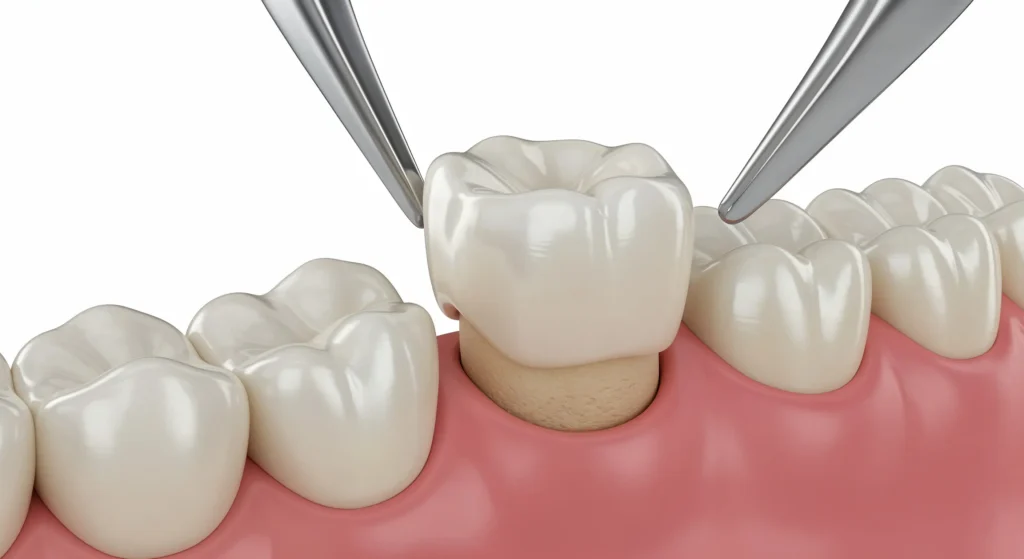


A deep cavity can shift from a dull nuisance to a true dental emergency with surprising speed. One week it feels like a fleeting twinge when you sip something cold. A few days later, the tooth throbs when you lie down, your jaw feels tender, and even breathing in cool air makes you wince. At that point, waiting for a routine appointment often stops being realistic. Pain from a deep cavity usually means the decay has moved beyond the outer enamel and dentin and is irritating, or already infecting, the pulp inside the tooth.
That is when an Emergency Dentist becomes especially important. The immediate goal is not cosmetic improvement or long range treatment planning. It is pain control, infection management, and deciding whether the tooth can be saved safely. In practice, those decisions depend on a careful exam, imaging, the pattern of pain, and how much healthy tooth structure remains.
Many patients assume every painful cavity means a root canal. Others fear the opposite, that an emergency visit always ends in extraction. Real life is less absolute. Some teeth can be restored with a deep filling or an onlay. Some need root canal treatment followed by a crown. Some are too compromised to predictably save, especially when decay extends under the gumline or the tooth has fractured. The emergency visit is where those distinctions start to become clear.
What deep cavity pain usually means
Not every cavity hurts. In fact, many small or moderate cavities are painless. Pain tends to enter the picture when decay gets close to the nerve, or when cracks, leaking fillings, gum inflammation, or infection complicate the situation. That is why the character of the pain matters.
A brief zing to cold that disappears within seconds can sometimes point to exposed dentin or early pulpal irritation. Sharp pain when chewing may suggest a deep cavity combined with a crack or a weakened cusp. Lingering pain after cold, spontaneous throbbing, nighttime pain, or a tooth that feels as though it is pushing out of the socket often raises concern for irreversible pulp inflammation or infection around the root tip.
Patients often describe the pain as “coming and going,” which can be misleading. Intermittent pain does not necessarily mean the problem is minor. Dental pulps, especially in teeth with deep decay, can flare unpredictably. A person may have severe pain for two nights, feel better for a day, and then wake up with facial swelling. That up and down pattern is one reason delayed treatment can backfire.
When it crosses into emergency territory
There is a practical difference between “this hurts” and “this needs urgent care.” Deep cavities warrant prompt attention whenever symptoms suggest the nerve or surrounding tissues are involved. A same day or next day visit with an Emergency Dentist is wise if you notice:
- severe toothache that interferes with sleep, work, or eating
- swelling of the gum, face, or jaw
- pain with fever, foul taste, or drainage
- difficulty opening the mouth fully or swallowing
- trauma to a decayed tooth followed by sudden pain or fracture
Facial swelling deserves particular respect. An abscessed tooth is not just a local inconvenience. Dental infections can spread into facial spaces, especially if left untreated. Most infections remain manageable when caught early, but they should not be handled casually.
What happens during the emergency appointment
The first part of an emergency dental visit is diagnostic, even if the pain feels obvious to the patient. Teeth can be deceptive. A person may point to the lower left molar when the actual culprit is an upper tooth referring pain down the jaw. Sinus pressure, grinding, cracked teeth, and gum infections can mimic cavity pain. A good emergency evaluation sorts that out quickly.
The dentist usually begins with questions that seem simple but are highly useful. How long has it hurt? Does cold trigger it? Does heat make it worse? Does it wake you at night? Can you chew on that side? Have you noticed swelling or a bad taste? Have you taken pain medication, and did it help? These details help separate reversible inflammation from a more advanced pulpal problem.
Next comes a clinical examination. The dentist looks for visible decay, fractured tooth structure, swollen gums, draining fistulas, and mobility. Tapping on the tooth, applying cold, checking the bite, and sometimes testing the surrounding teeth all help build the picture. Dental X rays are usually essential. A bitewing or periapical radiograph may show deep decay close to the nerve, infection around the root, recurrent decay under an old filling, or bone changes that explain the pain.
Patients are often surprised that the emergency visit may not complete all definitive care in one sitting. That is normal. If the office schedule, infection severity, or complexity of treatment makes full restoration unrealistic on the spot, the dentist may first focus on stabilizing the problem, relieving pain, and setting up the next phase properly.
The most common treatment paths
Once the diagnosis is clear, emergency treatment for a deep cavity usually follows one of several predictable routes. The right choice depends less on the patient’s preference alone and more on whether the pulp is still healthy enough to recover.
Deep filling when the pulp is irritated but still salvageable
If the cavity is deep but the nerve appears only mildly inflamed, the dentist may remove the decay and place a protective liner and filling. This is more likely when pain is provoked by cold or sweets but does not linger long, there is no spontaneous throbbing, and the X ray shows no abscess at the root tip.
This can be a very satisfying outcome because it preserves the tooth with less treatment and lower cost than a root canal. Still, there is judgment involved. A tooth on the edge of pulpal breakdown can look restorable one day and declare itself symptomatic after the decay is removed. Dentists often discuss that uncertainty upfront. If the cavity is extremely close to the nerve, there is always a chance the tooth will need root canal treatment later.
Emergency pulp treatment for severe nerve pain
When the pulp is inflamed beyond recovery, the pain can be intense. In these cases, the most effective relief often comes from treating the nerve itself. Depending on the office setup and the condition of the tooth, the dentist may begin root canal therapy that day, remove the infected pulp tissue from the chamber, place medication inside the tooth, and seal it with a temporary restoration.
Patients frequently ask whether antibiotics can replace this step. They cannot. If the pain is coming from an inflamed or dying nerve inside a closed space, antibiotics do not remove that pressure. The source has to be treated mechanically, either by opening and disinfecting the tooth or by removing the tooth.
Drainage and infection control when there is an abscess
If swelling is present, the visit may focus on controlling the infection first. The dentist may open the tooth to allow drainage, drain the abscess through the gum if appropriate, prescribe antibiotics when signs indicate a spreading infection, and arrange close follow up. Relief can be dramatic once pressure is released. I have seen patients walk in barely able to speak from throbbing pressure and leave an hour later looking ten years younger simply because the source was decompressed.
Antibiotics are reserved for specific situations, not given automatically for every painful cavity. They are usually considered when there is swelling, fever, lymph node tenderness, diffuse infection, or a patient’s medical status increases concern. A localized toothache without swelling often improves more from dental treatment than from medication alone.
Extraction when the tooth cannot be predictably saved
Some deep cavities have crossed the line where restoration no longer makes sense. The tooth may be broken down below the gum, split, severely infected, or missing too much structure to support a filling or crown. In those cases, extraction is sometimes the most responsible emergency treatment, even if saving the tooth would be emotionally preferable.
This can be a hard conversation, especially for a back tooth that has “never really bothered” the patient until now. Yet keeping a non restorable tooth often leads to repeated pain, more infection, and money spent on temporary fixes. A straightforward extraction, followed by a discussion of replacement options later, can be the cleaner path.
Why crowns often enter the picture
When a deep cavity affects a molar or premolar, especially one that has had root canal therapy or has lost a lot of internal support, the final restoration matters almost as much as the emergency treatment. A large filling in a heavily weakened back tooth can fracture under normal chewing forces. That is why crowns are commonly recommended after root canal treatment in posterior teeth.
Think of the emergency phase as solving the immediate biological problem, pain and infection. The crown, when needed, solves the structural problem. Patients sometimes feel better after the root canal and assume they can postpone the crown indefinitely. Some do get away with that for a while. Others return with a split tooth that could have been protected. Delay carries real risk.
Pain relief before and after treatment
People in severe dental pain want to know two things right away, how fast relief will happen and what they can do until the appointment. The honest answer is that relief depends on the cause. If the pain is from pressure inside the tooth or an abscess, properly opening, draining, or treating the tooth often brings the biggest improvement. Medication helps, but source control matters most.
Before the appointment, a few practical measures are sensible:
- use over the counter pain medication only as directed on the label or by your doctor
- avoid placing aspirin directly on the gum or tooth, which can burn tissue
- stay away from very hot, very cold, and sugary foods if they trigger pain
- chew on the opposite side and keep the area as clean as you can
- seek urgent medical help, not just dental help, if swelling affects breathing or swallowing
After treatment, some soreness is expected. Numbness can last a few hours. A tooth that has been treated for deep decay or root canal infection may feel tender when biting for several days, particularly if it was inflamed before treatment. What should improve is the relentless, escalating pain that brought you in.
The role of temporary restorations
Emergency dentistry often involves temporary materials, and that can confuse patients who expected a permanent fix right away. A temporary filling or sealing material is not a sign of poor quality care. It is often the right clinical choice when the tooth needs to settle, when root canal treatment is being completed in stages, or when contamination must be controlled before the final restoration is placed.
Temporary restorations do, however, require cooperation. They are more vulnerable to dislodging than permanent materials. Chewing sticky candy on that side the same day is a fast way to lose the seal. If a temporary comes out, the tooth should be reassessed promptly, especially if it had recent nerve or infection treatment.
Deep cavities in children and younger adults
Age changes the treatment conversation. In children and teenagers, tooth nerves are often more vascular and sometimes more resilient, which can create opportunities for conservative pulp therapy in selected cases. In younger permanent teeth, preserving vitality may be especially valuable for continued root development. In adults, the treatment path often leans more quickly toward conventional root canal care when symptoms strongly indicate irreversible damage.
That said, pain behavior in children can be unreliable. Some underreport pain until swelling appears. Others become distressed by mild symptoms. Parents tend to focus on whether the child can eat or sleep, which is a reasonable benchmark. A child with facial swelling, fever, or a rapidly worsening toothache needs urgent evaluation, whether the tooth is baby or permanent.
Cost, timing, and the real trade-offs
Emergency dental decisions are rarely made in a vacuum. Cost matters. Scheduling matters. Anxiety matters. A patient may be choosing between extraction today or root canal treatment plus a crown over several visits. There is no one size fits all answer.
Saving a tooth usually preserves chewing efficiency and avoids the downstream issue of replacement, but it can cost more upfront. Extraction often resolves pain faster and at lower immediate expense, but then leaves a gap that may affect function, neighboring teeth, or appearance depending on the location. A deeply decayed wisdom tooth and a deeply decayed first molar are not equivalent decisions. Nor is a front tooth in a young professional the same as a back tooth in a patient with limited chewing demands and tight finances.
A thoughtful Emergency Dentist does not just list procedures. They explain prognosis. If a tooth can technically be saved but has a guarded outlook because decay runs deep below the bone, the patient should hear that clearly. If an extraction is simpler today but replacement will be difficult later, that should be discussed too. Good emergency care balances urgency with honesty.
What patients often misunderstand about antibiotics
This point deserves emphasis because it comes up constantly. Antibiotics are not painkillers, and they do not remove tooth decay. They are useful for bacterial spread into soft tissues, systemic involvement, or certain high risk circumstances. They are poor substitutes for dental treatment in a closed tooth infection.
A patient may start antibiotics from urgent care, feel slightly better for a few days, and assume the cavity is “healing.” It is not. The decayed tooth remains open to bacteria, and the nerve damage or structural breakdown is still there. Once the medication ends, symptoms often return, sometimes worse than before. The emergency dental visit should still happen.
Anxiety, numbness, and treatment tolerance
Many adults who seek emergency dental care are not just in pain, they are frightened. Some have not seen a dentist in years because of a prior bad experience. Others are embarrassed by how long they waited. Pain lowers tolerance, and shame can make people defensive. A calm emergency team recognizes this immediately.
Local anesthesia is usually very effective, though badly inflamed lower molars can be stubborn. In those cases, it may take supplemental injections, time, and patience to achieve comfort. Sedation options vary by office, but even without sedation, careful communication makes a major difference. Patients handle emergency care far better when they know what sensation to expect, how long the numbness will last, and whether pressure during treatment is normal.
One practical note many people appreciate: if a tooth is acutely infected, getting numb can be more challenging than during a routine visit. That is not because the dentist is doing something wrong. Inflamed tissue changes the local chemistry and can reduce anesthetic effectiveness. Experienced clinicians anticipate that and adjust the technique.
Aftercare that protects the result
Once the immediate crisis is under control, the next few weeks matter more than many patients realize. A tooth that has been stabilized after deep decay is not “done” unless the planned final treatment is completed. That may mean returning for the root canal completion, crown preparation, permanent filling, or extraction of a non salvageable root that was only palliated in the emergency slot.
Good aftercare also includes watching for warning signs. Increasing swelling, fever, worsening pain after an initial improvement, or difficulty swallowing should prompt urgent reassessment. Mild soreness is common. Escalation is not.
Diet also matters for a short time. If the tooth has a temporary restoration or has lost substantial structure, softer foods and chewing on the other side can prevent fracture. I have seen patients make it through the emergency visit successfully, only to crack the weakened tooth on a crusty roll that evening. Teeth with extensive decay can be surprisingly fragile until definitively restored.
How to reduce the odds of another emergency
Most dental emergencies from deep cavities are preventable, though that is not much comfort when someone is already in pain. The pattern is usually familiar: a cavity starts small, causes no symptoms, and gets postponed because life is busy. Once pain begins, the patient may still wait, hoping it will settle. By the time they seek care, the treatment is more invasive and more expensive.
Regular exams and X rays catch decay before it reaches the nerve. Small restorations preserve more tooth structure. Fluoride, home care, diet changes, and replacing failing old fillings at the right time all reduce the chance of a crisis visit. For patients prone to dry mouth, high cavity https://ricardonlhr973.nexorafield.com/posts/emergency-dentist-advice-after-biting-down-on-something-hard rates, or heavy soda intake, prevention needs to be more deliberate. Those are the people who benefit most from specific risk based advice, not generic reminders to brush better.
There is also a behavioral side to prevention that clinicians notice quickly. Patients who schedule follow up while they are still in the office are far more likely to complete care than those who plan to “call later.” Pain can motivate the emergency visit, but once the pain subsides, inertia returns. A deep cavity that was temporarily sealed still deserves a permanent solution.
Choosing the right urgency
The hardest part for many people is knowing whether they are overreacting or waiting too long. As a rule, deep cavity pain that is strong, spontaneous, lingering, associated with swelling, or bad enough to affect sleep is not something to monitor casually. It deserves a timely evaluation by an Emergency Dentist. The visit may reveal a saveable tooth with a straightforward path forward, or it may uncover an infection that needed attention sooner than expected.
Either way, the benefit of being seen promptly is not just relief. It is preserving options. Teeth treated before they fracture, before infection spreads, and before decay extends below the gumline are far easier to manage. Once the damage advances past those points, the choices narrow quickly.
When a deep cavity starts causing real pain, the message from the tooth is usually simple. Something inside has moved beyond irritation and toward injury. The faster that is assessed, the better the odds of controlling pain, limiting infection, and keeping the treatment as conservative as the tooth will allow.
Simple Dental South Gate
Address: 8617 California Ave, South Gate, CA 90280
Phone number: +13236896118
FAQ About Emergency Dentist Southgate CA
What can the ER do for a tooth?
The emergency room can provide temporary symptom relief for a bad tooth, such as prescribing pain medicine or antibiotics, but it cannot fix the actual dental problem.
What is the 3-3-3 rule for tooth infection?
The 3-3-3 rule for a toothache or infection typically means taking three 200 mg ibuprofen tablets (600 mg total) three times a day for no more than three days to control pain and swelling while waiting to see a dentist.
What do you do if you have a dental emergency but no dentist?
If you have a dental emergency and no regular dentist, you should search for an urgent care dental clinic, call local walk-in dental offices, or go to a hospital emergency room if you have severe bleeding, swelling, or trouble breathing.