Dental Crowns Southgate CA: A Smart Investment in Your Oral Health

A dental crown is one of those treatments people rarely think about until a tooth forces the issue. Maybe it cracked while you were chewing on ice. Maybe an old filling gave way. Maybe a root canal saved the tooth, but left it too weak to handle daily pressure. At that point, the question stops being theoretical. You are no longer asking what a crown is. You are asking whether saving the tooth is worth the time, expense, and inconvenience.
In many cases, it is.
When patients ask whether crowns are really necessary, the answer depends on the condition of the tooth, the forces it absorbs, and how much healthy structure remains. A crown is not a cosmetic luxury in those situations. It is a protective restoration designed to help a compromised tooth function again without breaking further. That distinction matters. A strong, well-made crown can preserve your bite, protect neighboring teeth, and spare you from more extensive treatment later.
For families looking into Dental Crowns Southgate CA, the real value is not just in how a crown looks on day one. It is in what that crown helps you avoid over the next five, ten, or even fifteen years.
Why a crown changes the trajectory of a damaged tooth
Teeth are remarkably durable, but they are not indestructible. A small cavity can usually be handled with a filling because most of the tooth is still intact. Once damage crosses a certain threshold, a filling no longer gives enough support. The remaining walls of the tooth may flex under chewing pressure. Thin cusps can fracture. Cracks can deepen.
That is where a crown earns its place.
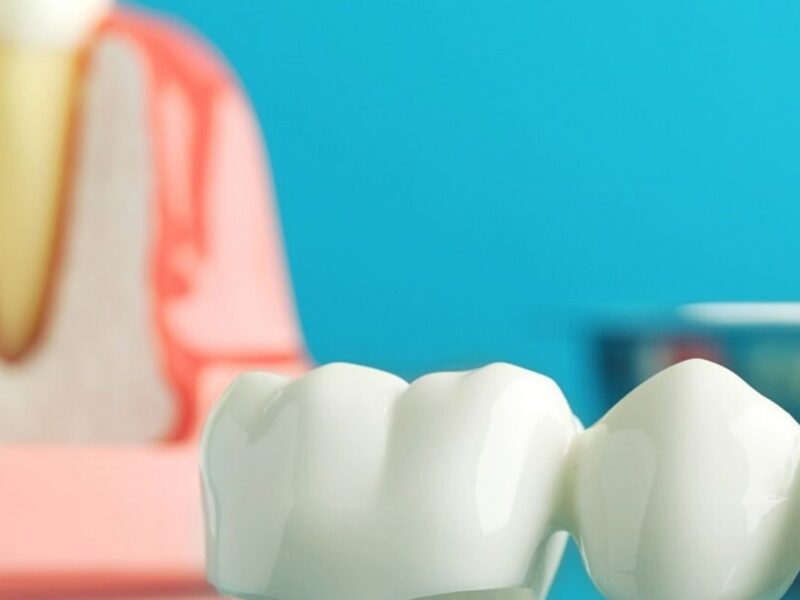
A crown covers the visible part of the tooth and redistributes force across a larger, reinforced surface. Think of it less as a patch and more as a structural shell. On back teeth especially, that matters because molars can absorb significant bite pressure every single day. A heavily restored molar without proper protection often becomes a cycle of repairs: large filling, broken filling, cracked cusp, emergency visit, temporary fix, then a bigger problem.
A crown can interrupt that cycle. It restores shape, protects weakened enamel and dentin, and gives a tooth a fighting chance to stay in service for years.
I have seen the difference this makes in practical terms. Patients who postpone a recommended crown often return after a small fracture becomes a major split. At that stage, the conversation shifts from preservation to extraction, implant placement, healing time, and much higher cost. The treatment you delayed as “too much” can start to look modest compared with what follows when the tooth fails completely.
When a crown is the right call
Not every tooth needs a crown, and a good dentist should be clear about that. Conservative dentistry matters. If a tooth can be predictably restored with a filling or onlay, that should be part of the conversation. But there are situations where a crown is plainly the better choice.
A crown is often recommended when a tooth has lost a large amount of its natural structure, either from decay, fracture, wear, or repeated dental work. It is also common after root canal therapy, especially on molars and premolars. Once the nerve has been treated, the tooth can become more brittle over time, and the crown acts as insurance against splitting.
Crowns are also useful for severe discoloration, developmental defects, and reshaping a tooth that has become misshapen or unstable. In cosmetic cases, porcelain or ceramic crowns can dramatically improve appearance, but appearance should never overshadow function. The best crowns do both. They look natural because they are built to fit the bite correctly and blend with surrounding teeth.
There is an important judgment call here. Some teeth are technically crownable but poor long-term bets because of deep cracks, advanced gum disease, or minimal remaining structure below the gumline. A responsible dentist in Southgate should explain when a crown is likely to succeed and when it may be money spent on a tooth with a guarded prognosis. That honesty is part of good treatment planning.
The investment is not just financial
People usually focus on price first, which is understandable. Crowns are not inexpensive, and fees vary depending on material, complexity, whether buildup is needed, whether the tooth has had root canal therapy, and whether insurance contributes. But reducing the decision to a single fee misses the point.
The real cost of skipping a needed crown can include:
- repeat emergency visits for breakage or pain
- more extensive reconstruction later
- extraction and replacement costs
- lost work time and disruption to daily life
- changes in chewing that stress other teeth
That list may sound blunt, but it reflects what often happens in real dental practice. A compromised tooth rarely stabilizes on its own. It tends to worsen under normal use. Every time you chew, clench, grind, or bite down on something unexpectedly hard, that tooth is tested again.
A crown is an investment because it buys strength, predictability, and time. It also protects the work already done. If you have already paid for a root canal, for example, placing a crown is often the step that helps preserve that result. Without it, the treated tooth may still fracture and be lost.
What patients in Southgate should expect from the process
The crown process is usually straightforward, though details vary by office and by technology. Some practices use digital scanning and same-day milling for selected cases. Others send the case to a dental lab, which can offer excellent customization, especially for complex bite or cosmetic work.
The standard sequence typically includes evaluation, preparation, an impression or digital scan, a temporary crown, and a return visit for placement of the final crown. At the preparation appointment, the dentist removes any decay or weak tooth structure and shapes the tooth so the crown can fit precisely. If the tooth is missing a lot of internal structure, a buildup may be placed first to create a stable foundation.
Temporary crowns deserve more respect than they usually get. Patients often treat them as disposable because they are not the final restoration, but they serve an important role. A temporary simpledentalca.com Dental Crowns Southgate CA protects the prepared tooth, reduces sensitivity, maintains spacing, and lets the gum tissue adapt. If it comes off, it should not be ignored for a week or two while life gets busy. Even a short delay can allow tooth movement or gum changes that make the final fit more difficult.
When the final crown returns from the lab, or is fabricated in-office, the dentist checks the fit at the margins, the contact with adjacent teeth, the color, and most importantly the bite. Bite adjustment is not a trivial detail. A crown that hits too hard can leave a patient sore, sensitive, or convinced something is wrong with the tooth itself. A careful bite check often makes the difference between a crown that feels awkward and one that disappears into your normal chewing pattern within a day or two.
Choosing the right crown material
Material selection is one of the most practical parts of the conversation, and there is no single best option for every tooth.
All-ceramic and porcelain crowns are popular because they can look very natural. They are often an excellent choice for front teeth and many premolars, where appearance matters and translucency helps mimic enamel. Modern ceramics can also work very well on back teeth, depending on bite forces and the specific material used.
Porcelain fused to metal crowns have been around for decades and still serve a purpose. They can be durable and esthetic, though over time some patients notice a dark line near the gum if the tissue recedes. Full metal crowns, often gold alloy or other metal formulations, remain a strong option for molars in patients who prioritize longevity and function over cosmetics. They tend to require less tooth reduction and wear kindly against opposing teeth.
Each material has trade-offs. Ceramic can look beautiful, but in some heavy grinders, material choice and crown design need special attention. Metal may be less attractive, but it can perform exceptionally well in high-load areas. The “best” crown is not the one with the fanciest label. It is the one suited to that tooth, in that mouth, with that patient’s bite habits.
This is one area where a rushed conversation does patients a disservice. If someone clenches at night, has a history of breaking restorations, or has limited space between the upper and lower teeth, material selection should reflect those realities.
Fit matters more than marketing
A crown can be made from premium material and still fail if the fit is poor. Margins that do not seal properly can trap plaque and allow recurrent decay. Contacts that are too open can lead to food packing. Contacts that are too tight can make flossing miserable and inflame the gums. Occlusion that is too heavy can trigger soreness or fracture.
This is why the skill of the dentist and the quality of the lab matter as much as the material itself. Good crown work is precise work. It depends on clear preparation, accurate records, thoughtful design, and proper cementation. It also depends on case selection. A dentist who tries to place a crown on a tooth with a deep unresolved crack or a weak ferrule may be setting the restoration up for failure no matter how beautiful it looks at delivery.
Patients shopping for Dental Crowns Southgate CA should look beyond simple promises like “fast” or “affordable.” Speed and value have their place, but fit, bite, and long-term prognosis are what determine whether the treatment was truly worth it.
Crowns and aesthetics, what natural really means
Many people hear the word crown and picture something obvious, bulky, or unnaturally white. That can happen, but it should not be the norm. A well-made crown should respect the shape, shade, and texture of the surrounding teeth. Natural teeth are not flat white tiles. They have depth, slight variation, and subtle anatomy that catches light in specific ways.
Shade matching also depends on context. A crown that looks perfect under operatory lighting may feel different outdoors if the color was not selected carefully. For front teeth, small details matter more than people realize. The edge translucency, surface luster, and how the crown sits in the gumline can determine whether anyone notices the restoration at all.
Back teeth present a different esthetic challenge. They do not need celebrity-level brightness. They need to look normal, fit comfortably, and function under pressure. In many cases, the best compliment a crown gets is that the patient forgets which tooth was treated.
The crown does not make the tooth invincible
One misunderstanding comes up often: once a crown is placed, the tooth is “fixed forever.” That is too simplistic.
The crown protects the tooth, but it does not make it immune to decay, fracture, or gum disease. The margin where crown meets tooth still needs to stay clean. If plaque accumulates consistently, decay can form at the edge. If someone grinds aggressively, the crown or the opposing tooth can still wear. If the tooth underneath has limited remaining structure, the long-term outlook still depends on how that foundation holds up.
Patients are sometimes surprised to hear that crowned teeth need excellent hygiene, not relaxed hygiene. In reality, they deserve more attention, not less. Daily brushing, careful flossing, and regular checkups give the restoration the best chance to last.
A night guard can also be a smart addition for patients who clench or grind. It is far less expensive than replacing broken dental work and can preserve both crowns and natural teeth.
How long do crowns last?
There is no universal expiration date. Some crowns need replacement in under ten years because of decay, fracture, poor bite forces, or changes in the tooth. Others last well beyond fifteen years. Longevity depends on several variables working together: the condition of the tooth before treatment, crown design, material, bite habits, oral hygiene, and routine maintenance.
This is where realistic expectations help. A crown is not a one-time purchase that guarantees zero future dental work. It is a high-value restoration with the potential for long service when well planned and well maintained. Framing it that way makes the decision clearer and more honest.
Patients often appreciate hearing that crowns, like tires or roofs, wear according to use conditions. A person who clenches, skips cleanings, and chews ice is simply asking more of that restoration than someone with a stable bite and excellent hygiene.
Cost in Southgate, and how to think about value
Fees for crowns in Southgate, CA can vary for legitimate reasons. Office overhead, location, materials, lab quality, diagnostic technology, and the complexity of the case all affect pricing. Insurance may cover part of the procedure if the crown is medically necessary, but plans differ significantly and may include waiting periods, annual maximums, or downgraded reimbursements based on metal crown allowances.
What matters most is transparency. A trustworthy office should explain what the fee includes, whether a buildup is separate, whether the temporary and follow-up adjustments are included, and what financial arrangements are available. If a treatment estimate seems dramatically lower than average, it is fair to ask what explains the difference. Lower cost is not always a red flag, but patients deserve to understand whether corners are being cut in material choice, lab support, or appointment time.
A cheap crown that needs replacement early is not economical. A well-executed crown that functions comfortably and lasts is usually the better value, even when the upfront number is higher.
Questions worth asking before you commit
Patients do not need to become dental experts to make a good decision, but a few focused questions can reveal a lot about the quality of planning:
- why is a crown recommended instead of a filling or onlay
- what material is best for this specific tooth, and why
- does the tooth have any cracks or risks that affect long-term success
- will I need a buildup, root canal, or night guard
- what should I expect in terms of feel, longevity, and maintenance
Those questions are practical, not confrontational. A dentist who answers them clearly is usually thinking carefully about your case. Vague reassurance is less useful than specific explanation.
Why local care matters
There is a practical advantage to finding dependable Dental Crowns Southgate CA rather than chasing treatment far from home. Crowns sometimes need minor bite adjustments after placement. Temporaries occasionally come loose. Sensitivity may need evaluation. Follow-up is easier when your dental office is nearby and accessible.
Local care also tends to be more relational. When a dentist knows your history, your wear patterns, your past restorations, and how you have responded to treatment before, the decisions get better. Dentistry is not only about individual procedures. It is about patterns over time. A crown placed in the context of comprehensive care is more likely to fit into a stable long-term plan.
That continuity becomes especially important for patients with multiple restored teeth, gum issues, or bite concerns. A crown should not be treated as an isolated product. It is part of a larger oral system.
The smartest investment is timely action
The best crowns are often the ones placed before a tooth reaches the brink. That may sound inconvenient if the tooth is not hurting much yet, but pain is a poor guide to structural risk. Teeth can be badly compromised and still feel manageable right up until they fracture in a way that changes the treatment options overnight.
Acting early usually preserves more tooth, gives the dentist better restorative choices, and lowers the odds of emergency care. It also makes the experience easier for the patient. Planned dentistry is almost always less stressful than crisis dentistry.
A crown will never be the most exciting item on anyone’s calendar. But when a tooth is weakened, heavily restored, or structurally compromised, it is often one of the most sensible investments you can make. It protects function, supports appearance, and helps you keep your natural tooth longer, which remains the best outcome whenever possible.
For patients considering Dental Crowns Southgate CA, that is the core of the decision. You are not simply paying for a cap over a tooth. You are paying for reinforcement, longevity, and the chance to prevent a larger problem before it starts running your schedule, your comfort, and your budget.
Simple Dental South Gate
Address: 8617 California Ave, South Gate, CA 90280
Phone number: +13236896118
FAQ About Dental Crowns Southgate CA
How much do crowns cost per tooth?
In the United States, a single dental crown typically costs between $800 and $2,500 per tooth without insurance. The ultimate out-of-pocket price depends heavily on the crown material, the location of the tooth, and whether you have dental insurance coverage.
What is the downside of crowns on teeth?
The primary downside of a dental crown is that the procedure permanently removes natural tooth enamel to shape the tooth for the cap.
Why do dentists push for crowns?
Dentists recommend crowns because a large filling cannot provide enough strength when a tooth loses a major portion of its structure or faces heavy chewing pressure.